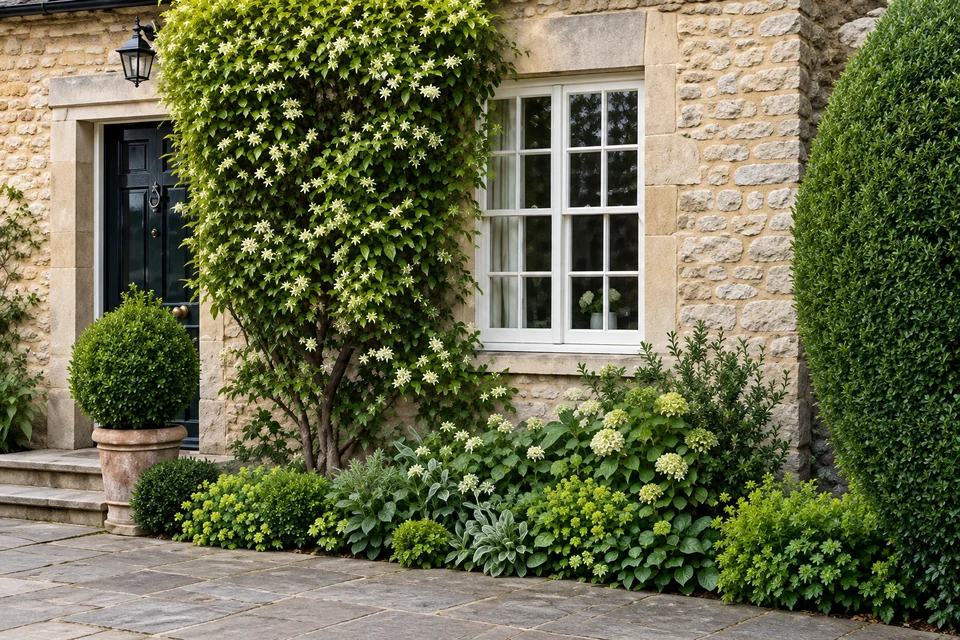
Thoughtful exterior care
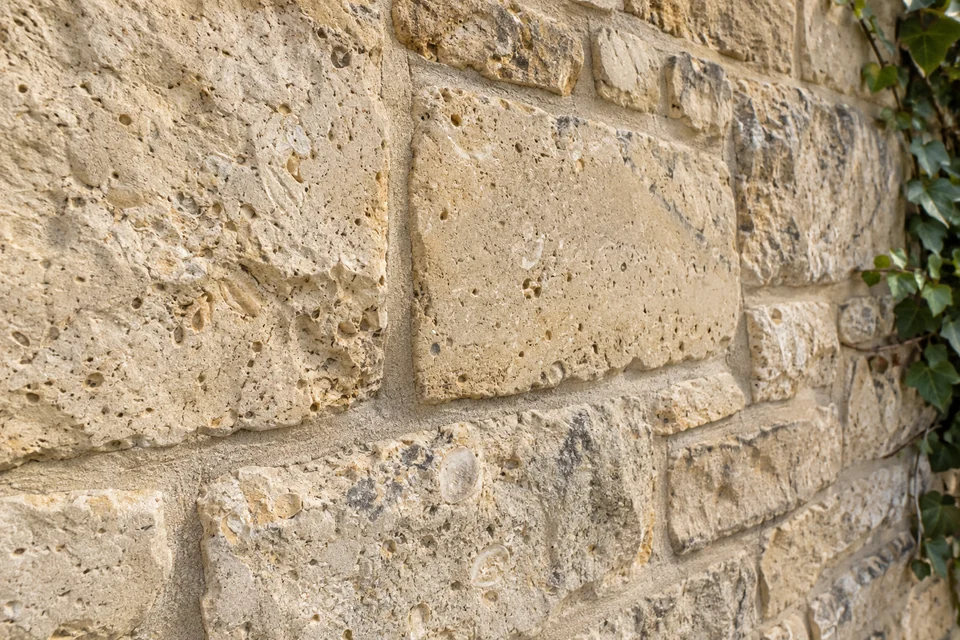
Stone is not a single material.
Sandstone, limestone, granite and other stones vary in hardness, porosity and sensitivity. A method that works on one may harm another. The assessment therefore considers both the stone and the surrounding joints, including whether there are historic repairs, coatings or signs of decay.
A trial area helps demonstrate a suitable level of cleaning. On characterful older stonework, the aim may be to reduce harmful or unwanted deposits rather than remove every sign of age. An excessively bright, uniform result is not always appropriate or achievable.
The cleaning proposal should address adjacent glass, metals, timber and planting, as well as moisture and run-off. Fragile carvings, open joints and soft surfaces need particular care. Wet abrasive methods are considered only where the material and conservation requirements make them suitable.
Where a building is listed or the stonework has heritage significance, obtain the relevant specialist advice and permissions before work. Cleaning does not replace stone repair, consolidation or repointing; those requirements should be considered as separate scopes.
What your quote takes into account
- Stone identification and condition review
- Deposit and joint assessment
- A representative sample area
- Protection and maintenance discussion
Is this service right for your property?
Compatible external stonework and paving, subject to material-specific assessment.
Your questions, answered
Can sandstone be cleaned?
Often, but sandstone varies considerably. A condition check and test area are essential before a method or finish is agreed.
Do you use acid on natural stone?
No treatment should be chosen without checking compatibility. Some stones can be damaged by acidic products.
Will cleaning make old stone look new?
Not necessarily, nor is that always desirable. The aim and acceptable finish should be agreed using a trial area.